
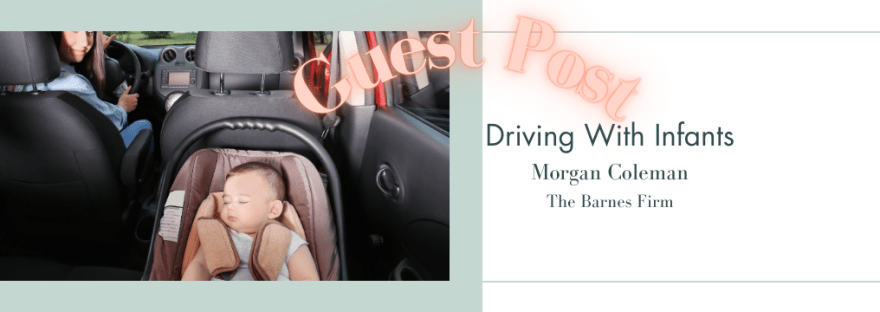
Welcome to parenthood… where your little co-pilot may cry, burp, or nap every time you get behind the wheel. Driving with an infant can feel scary at first, but with a few smart habits and some prep, you’ll go from frazzled new parent to confident road warrior.
At The Barnes Firm, we know that car accidents are, sadly, one of the biggest risks babies face when traveling. But buckle in: we’ve got hands-on, practical advice to help you stay calm, safe, and prepared.
1. Pick a Car Seat That Works for You (Not Just Looks Cute)
Yes, car seat shopping can feel overwhelming — so many options, so many safety labels. But here’s a simple way to think about it, Naptime Hustle–style:
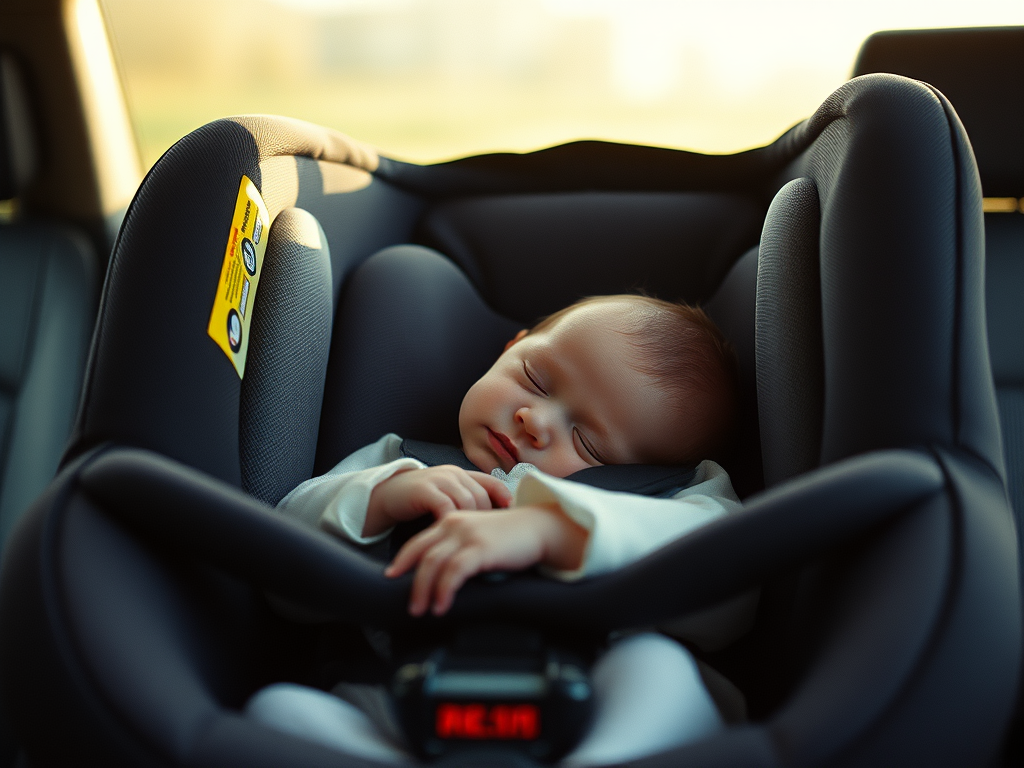
- Go for a rear-facing seat for as long as possible. That’s the safest position for an infant.
- Use a 5-point harness: those shoulder and waist straps really matter.
- Think about your day-to-day: if you’re always putting the seat in and out, look for one that clicks into a stroller base.
- Don’t forget recalls. Check that the seat hasn’t been recalled — every time you buy, double-check.
2. Install It Right (Seriously, Read the Manuals)
No matter how good your car seat is, it only protects your baby if it’s installed correctly. Sadly, a lot of parents skip the fine print. Don’t be that parent.
- Read both manuals — the one for your car seat and your car.
- After you install, wiggle the base: if it moves more than an inch side to side, it’s too loose.
- Use either LATCH or your seat belt — not both — unless the seat manufacturer says it’s okay.
- Think about angle: many infant seats have a recline indicator. If the seat is too upright, baby’s airway could be compromised.
- Consider getting your installation checked by a certified child passenger safety technician — many places like fire stations or children’s hospitals offer that for free or cheap.
3. Harness Your Baby Safely — Every Time
Once installed, how you secure your baby matters just as much.
- Straps should be snug: you shouldn’t be able to pinch any slack.
- The chest clip should sit at armpit level — not up by the neck, not down by the belly.
- Avoid bulky puffers or thick coats when buckling; they mess with the harness. Instead, buckle baby in first, then cover them with a blanket if needed.
- Keep baby rear-facing until they reach the seat’s height or weight limit — that’s the safest configuration.
4. Be Real About Distractions — and How to Avoid Them
You’ll hear your baby cry, burble, or maybe fall asleep. But turning around while driving is a dangerous trap.
- Use a rear-facing baby mirror so you can glance back without doing a full-body twist.
- Set your phone to “Do Not Disturb” before you drive.
- Keep a soothing playlist or white-noise app ready. Many babies calm down with familiar sounds.
- If baby is inconsolable, safely pull over rather than trying to comfort them while driving. It’s not weak; it’s smart.
5. Pack Like You’re Preparing for a Mini Expedition
Even short car rides with a baby require you to pack like you’re going on a small adventure.
- Diapers, wipes, extra clothes — always.
- Bottles (or feed supplies), burp cloths, and a few soft toys.
- A lightweight blanket is good, but skip heavy blankets in the seat. Use window shades instead to block intense sun.
- Before you hit the road, check that the backseat temperature feels safe. Babies are less able to regulate their temperature than we are.
6. Make Driving Part of Your Baby’s Routine
If possible, lean into your baby’s sleep schedule.
- Try to start trips right before nap time, if that’s an option. It can lead to smoother rides.
- On long drives, plan to stop every couple of hours: give baby a break from the seat, stretch, change, feed.
- Keep a safe space to “land” baby when you arrive — if they’ve napped through the car ride, move them to a proper crib or bassinet when you arrive.
7. Replace Your Car Seat When It’s Time
Just like a stroller, your baby’s car seat has a lifespan. Using it past its prime—or after a crash—can be risky.
- Check the expiration date on the seat (usually 6–10 years after manufacture).
- If the seat has been in a moderate or severe crash, replace it. Damage may not be visible but can compromise safety.
- Don’t buy a used seat unless you know its full history (original manual, whether it’s been in an accident, etc.).
You’ve Got This
Yes, driving with a newborn can bring real anxiety. But with the right seat, smart prep, and safe habits, you and your baby can travel more comfortably—without sacrificing safety. If an accident ever happens, our team is here to support you and your family. But by doing the work now, you’re giving your baby the safest ride possible — from day one. Read our Driving with Infants: Tips For New Parents guide here: thebarnesfirm.com/driving-with-infants-tips-for-new-parents/

Drive safe, nap often, and enjoy these little moments (yes, even the noisy car ones)!
Discover more from Naptime Hustle Blog
Subscribe to get the latest posts sent to your email.

 Naptime Hustle Blog